by eduardoalfaro | Feb 13, 2026 | Colosseum, Rome, Tours |
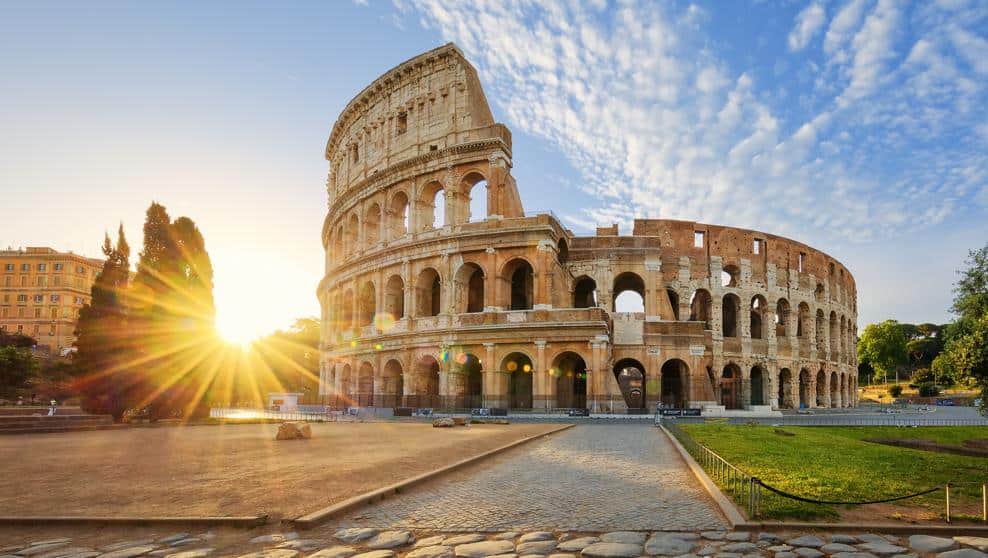
The Colosseum is one of the most visited monuments in the world.
However, very few visitors truly understand how it was designed, engineered, and used.
A Colosseum Private Tour with an Architect transforms your visit from sightseeing into deep understanding.
With Ximena, architect and licensed guide in Rome, the Colosseum becomes a living structure — not just a ruin.
Why Visit the Colosseum with an Architect?
Most tours focus on gladiators and dramatic stories.
An architect explains structure, proportion, circulation systems, and urban context.
During your private tour, you will discover:
-
How the Colosseum was engineered for 50,000 spectators
-
The logic behind Roman arches and load distribution
-
The underground hypogeum system
-
How the Colosseum reshaped the urban plan of Ancient Rome
Instead of memorizing dates, you understand how the building actually works.
If you would like a broader context, you can also explore our
Private Ancient Rome Tour (4 Hours) for a complete experience of the Roman Forum and Palatine Hill.
Skip-the-Line Access and Thoughtful Planning
The Colosseum is one of the busiest monuments in Europe.
With a private experience, you benefit from:
-
Priority access planning whenever possible
-
A calm, structured pace
-
Explanations adapted to your level of interest
-
Time for questions and dialogue
This is not a large group tour.
It is a personalized architectural experience.
For official ticketing information, you can consult the
Parco Archeologico del Colosseo website.
Beyond Gladiators — Understanding Roman Innovation
Structural Intelligence
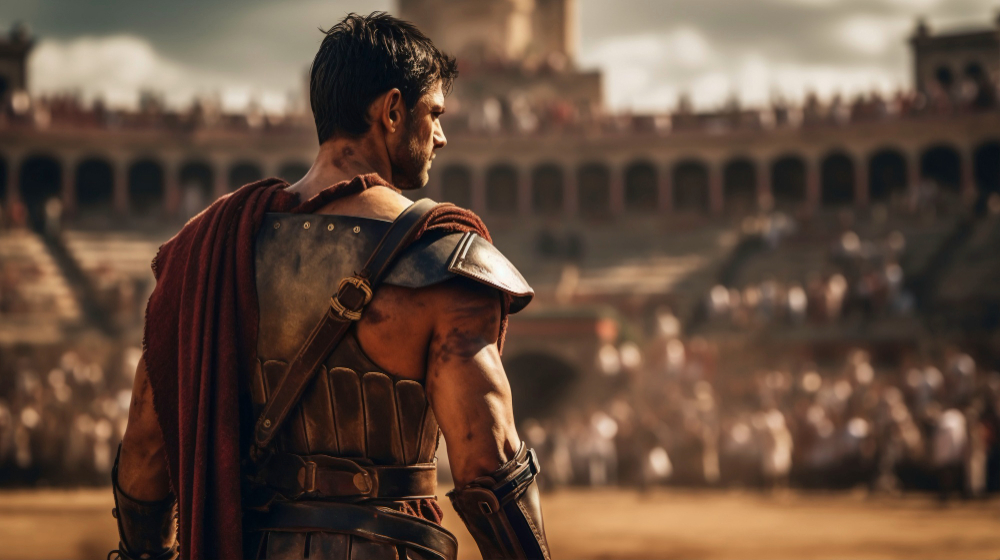
The Colosseum was a masterpiece of Roman engineering. You will understand how materials, geometry, and design allowed it to stand for centuries.
Urban Impact
The amphitheater was not isolated. It reshaped the city’s movement and political symbolism.
Human Experience
You will explore how spectators entered, circulated, and experienced the space — something only architectural analysis reveals clearly.
A Private Experience Designed Around You
Roma-Bella is not an agency.
Roma-Bella is Ximena — architect, historian, and founder.
She personally designs your itinerary according to:
-
Ages
-
Interests
-
Pace
-
Travel schedule
Reservations require only a small deposit.
The remaining balance is paid in Rome, once you confirm everything meets your expectations.
If you are planning your visit, you can
contact Ximena here to begin organizing your Colosseum private tour.


by Ximena Amarales | Feb 11, 2026 | Rome, Tours, Vatican |
Private Vatican Tour with an Architect
The Vatican is not just a collection of masterpieces. It is a layered story of power, faith, art, and urban transformation.
A Private Vatican Tour with an Architect allows you to understand not only what you see — but why it was built, how it evolved, and what it means.
With Ximena, architect and licensed tour guide in Rome, the Vatican becomes clear, structured, and unforgettable.
Why Visit the Vatican with an Architect?
Most tours focus on dates and names.
An architect focuses on structure, space, symbolism, and proportion.
During your private tour, you will:
-
Understand the architectural logic of St. Peter’s Basilica
-
Discover how Michelangelo transformed Renaissance design
-
Learn how Bernini shaped St. Peter’s Square as an urban masterpiece
-
Connect art, politics, and religion through space
Instead of rushing, you experience the Vatican intelligently and calmly.
If you would like to explore Ancient Rome as well, you can combine this experience with a Private Ancient Rome Tour for a complete understanding of the city.
Skip-the-Line Access, Thoughtfully Organized
Time in Rome is precious.
With a Private Vatican Tour with an Architect, you benefit from:
-
Skip-the-line planning whenever possible
-
Carefully designed pacing
-
Personal attention to your interests
-
Flexible itinerary adapted to your group
Unlike large group tours, this experience is entirely private and designed around you.
For official information about the Vatican Museums opening hours and collections, you can visit the Vatican Museums official web
What You Will See During Your Private Vatican Tour
Your experience may include:
St. Peter’s Basilica
Discover the structural brilliance behind Michelangelo’s dome and the symbolic power of its design.
The Sistine Chapel
Understand the spatial narrative behind Michelangelo’s frescoes — not only their beauty, but their architectural placement.
The Vatican Museums
Explore centuries of artistic evolution within one of the most important museum complexes in the world.
Because the tour is private, Ximena adapts explanations to your pace, your background, and your curiosity.
A Calm and Premium Experience
Rome can feel overwhelming. The Vatican even more.
However, with Ximena, you do not follow a flag.
You do not rush through rooms.
You do not struggle to hear explanations.
Instead, you experience:
-
Clear, dynamic explanations
-
Direct dialogue before and during your visit
-
A relaxed rhythm
-
A truly personalized tour
Roma-Bella is not an agency.
It is Ximena — architect, historian, and founder — guiding you personally.
Plan Your Private Vatican Tour
Reservations require only a small advance deposit.
The remaining balance is paid in Rome, once you confirm that everything meets your expectations.
If you are planning your trip and want expert guidance, you can contact Ximena here and start organizing your visit today.
by Ximena Amarales | Feb 4, 2026 | Rome, Tours |
Rome is one of the most complex cities in the world.
Layers of history overlap, monuments appear suddenly, and meaning is often hidden in plain sight.
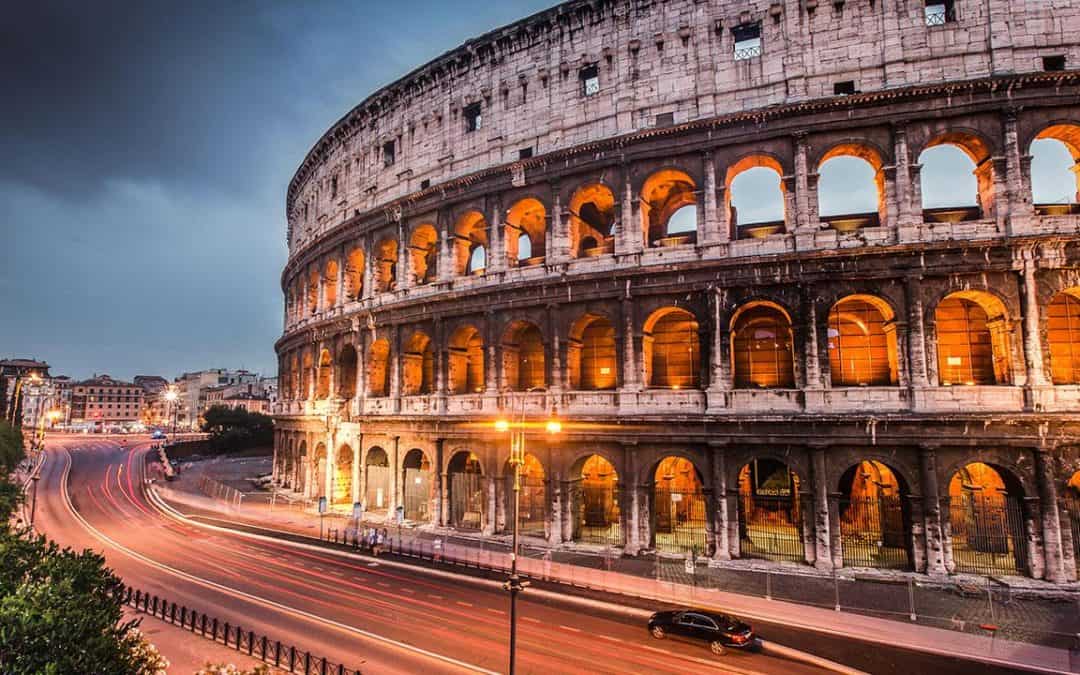
That is exactly why private Rome tours are the smartest way to visit the city.
Instead of following a flag through crowded streets, you experience Rome calmly, intelligently, and at your own pace — with explanations that help you truly understand what you are seeing.

Rome Is Complex — Private Tours Make It Clear
Rome was not built in a single era.
Instead, it grew over more than two thousand years.
As a result, many visitors feel overwhelmed. They see extraordinary monuments, but they struggle to connect them.
During my private Rome tours, I help you understand why buildings look the way they do, how ancient, medieval, and modern Rome coexist, and how architecture reflects power, religion, and daily life.
Therefore, Rome becomes readable — not confusing.

The Advantage of an Architect-Led Private Rome Tour
I am an architect and a licensed guide in Rome.
That combination changes the entire experience.
Instead of listing dates, I explain proportions and urban logic, how public spaces were designed to be used, and what most visitors miss when they rush.
For example, in Ancient Rome, forums were not just political centers. They were carefully designed spaces meant to communicate order and authority.
Learn more about my Ancient Rome experience here:
https://roma-bella.com/private-ancient-rome-tour-4-hours-with-an-architect-roma-bella/
Skip-the-Line Planning Without Stress
Time is precious when you travel.
That is why private Rome tours focus on intelligent planning.
Whenever possible, I organize skip-the-line access for key sites such as the Colosseum, the Roman Forum, and the Vatican Museums.
However, skip-the-line is not just about tickets.
It is about choosing the right moment, the right route, and the right rhythm.
As a result, you spend your time discovering — not waiting.

A Private Tour Designed Around You
Every tour I design is private and personalized.
That means I adapt the experience to your interests, your pace, and your travel companions — couples, families, or students.
Because the tour is private, you can ask questions freely.
At the same time, I adjust explanations so everything remains clear and engaging.
Many guests combine this experience with Vatican visits, Vespa tours, or full-day Rome itineraries.
Why Private Rome Tours Are the Smart Choice
In the end, Rome rewards those who take their time.
Private Rome tours allow you to understand the city instead of rushing through it, avoid unnecessary stress and crowds, and experience Rome with depth, clarity, and meaning.
That is why visiting Rome privately is not a luxury.
It is simply the smartest way to experience the Eternal City.
For historical context on Rome’s urban development, you can consult this authoritative source:
https://whc.unesco.org/en/list/91/
Plan Your Private Rome Tour
If you want to experience Rome calmly, intelligently, and without wasted time, you can contact me directly.
askme@roma-bella.com

by Ximena Amarales | Jan 26, 2026 | Rome, Tours |
Rome is often described as an open-air museum.
But this definition is incomplete.
Rome is not frozen in time — it is a living city, built layer upon layer, where ancient, medieval, and modern structures coexist in a continuous dialogue. Understanding this complexity requires more than visiting monuments; it requires learning how the city functions.
This is the foundation of my work as an architect and licensed guide in Rome, and the reason why my private Rome tours are designed to explain the city, not simply show it.
Rome Is a Palimpsest, Not a Timeline
Rome Full Day Tour here
In Rome, history is not organized chronologically.
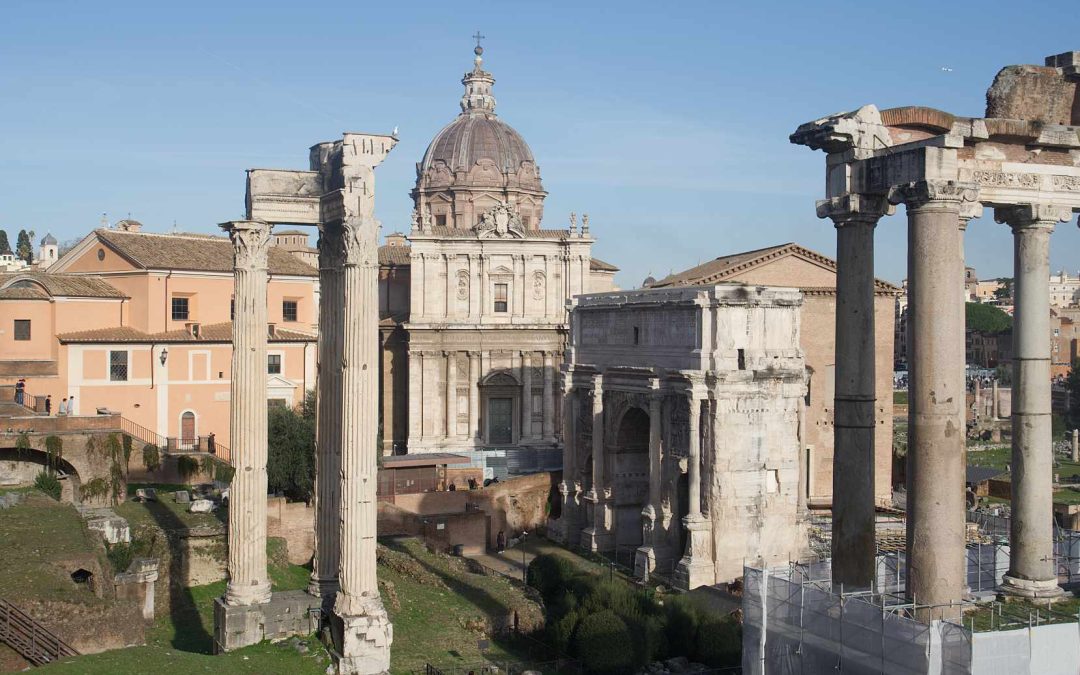
A Renaissance palace may rest on a Roman temple.
A medieval church may incorporate ancient columns.
A modern street may follow the exact path of a Roman road.
During my private tours, I help visitors understand how Rome reused its own architecture over centuries, why certain areas remained central to city life, how political and religious power shaped urban space, and how ancient Rome still influences daily life today.
Why an Architect’s Perspective Changes the Experience
Architecture is not decoration — it is structure, intention, and function.
As an architect specialized in Roman urbanism, I explain why buildings are positioned where they are, how proportions guide movement and perception, how public spaces were designed to communicate power, and how ancient construction techniques still amaze engineers today.
This approach allows visitors to understand Rome deeply, even without prior knowledge of architecture or history.
Private Rome Tours Designed Around Understanding, Not Speed
Many visitors feel overwhelmed in Rome.
Too many monuments, too little time, too many crowds.
My private Rome tours are intentionally designed to be calm and unhurried, focused on comprehension rather than quantity, adapted to your interests and pace, and planned to reduce waiting time whenever possible.
When feasible, I organize skip-the-line access so that time is spent discovering, observing, and asking questions — not standing in queues.
Dialogue Before You Arrive in Rome
Roma-Bella is not an agency.
Roma-Bella is my personal work.
Before your visit, we communicate directly by email. You can explain your interests, ask questions, and share expectations. Based on this dialogue, I design a personalized itinerary that reflects your needs, travel style, and curiosity.
A Relationship Built on Trust
For this reason, my tours do not require full payment in advance.
Reservations are confirmed with a small deposit, and the balance is paid in Rome, once you have verified that the program reflects your plans.
This approach reflects the trust I have built over 28 years of professional activity, through reputation and word of mouth.
Rome Explained, Not Rushed
Whether you are visiting Rome for the first time or returning with new questions, experiencing the city through an architect’s perspective allows you to see connections that often remain invisible.
Rome becomes clearer, more intelligible, and deeply fascinating.
Frequently Asked Questions
Is this tour suitable for families or older visitors?
Yes. Routes and rhythm are always adapted to the group.
Do you only offer Ancient Rome tours?
No. Many guests combine Ancient Rome with Vatican visits, Vespa tours, or full-day itineraries.
Is architectural knowledge required?
Not at all. Explanations are always clear, engaging, and accessible.
Plan Your Private Rome Tour
If you would like to explore Rome as a living city — calmly, intelligently, and without wasted time — you can contact me directly.
askme@roma-bella.com

by Ximena Amarales | Jan 2, 2026 | Ancient Rome, Rome, Tours |
A private Ancient Rome tour allows you to understand the Eternal City calmly, intelligently, and without wasting time in queues.
Rome is not a city to be rushed — especially Ancient Rome. In just a few hours, centuries of history, power, and architecture can be understood if you know where to go and how to read the city.
My name is Ximena, I am an architect and a licensed guide in Rome, and for many years I have helped travelers discover Ancient Rome clearly, calmly, and without wasting time in queues.
This article explains what you can truly experience during a 4-hour private Ancient Rome tour with an architect, and why this time frame works so well.
Why a 4-Hour Private Ancient Rome Tour Is Ideal
Four hours is the perfect balance between depth and comfort.
It allows us to:
-
Understand the urban structure of Ancient Rome
-
Visit the most important sites without rushing
-
Keep the experience engaging for families, couples, and students
Because the tour is private and skip-the-line, the focus is always on meaning, not logistics.
Essential Sites on a Private Ancient Rome Tour

The Colosseum — Architecture of Power
The Colosseum is much more than a symbol of Rome — it is a lesson in Roman engineering and social organization.
During the visit, I explain:
-
Why the Colosseum was revolutionary in its construction
-
How Roman engineers managed crowds and movement
-
What the architecture reveals about Roman society and entertainment
With skip-the-line access, we enter calmly and dedicate our time to understanding the monument instead of waiting in long queues.
The Roman Forum — The Heart of Roman Life
The Roman Forum was the political, religious, and social center of Ancient Rome.
With architectural guidance, the Forum becomes readable:
-
Temples and basilicas recover their original function
-
Political spaces are placed in context
-
Power, religion, and daily life are clearly connected
Instead of ruins, you begin to see a living city.
Palatine Hill — Where Rome Began
Palatine Hill is where the story of Rome starts.
Here I help you understand:
-
Why emperors chose this hill as their residence
-
How palaces were designed to express authority
-
How architecture and landscape worked together
From Palatine Hill, Ancient Rome finally makes sense as a whole.
Why Touring With an Architect Makes a Difference

As an architect, I do not simply describe monuments.
I explain why they were built the way they were.
You gain:
-
A spatial understanding of Rome
-
Clear and logical explanations
-
Connections between architecture, history, and daily life
This approach is especially appreciated by families, students, and travelers who want more than surface-level facts.
Skip-the-Line Access: Protecting Your Experience
Avoiding queues is not only about comfort — it protects the quality of the visit.
With skip-the-line access:
In a four-hour tour, this makes a real difference.
A Private Tour Designed Around You
Every Ancient Rome tour I offer is tailor-made.
The itinerary is adapted to:
There are no scripts and no rigid schedules — only a meaningful experience.
This private Ancient Rome tour is designed to adapt to your interests, your pace, and your level of curiosity, offering depth without overload.
Continue Exploring Rome With Roma-Bella
Many travelers choose to combine Ancient Rome with other private experiences, such as:
Each tour follows the same philosophy: clarity, comfort, and expert guidance.
Plan Your Private Ancient Rome Tour

Rome was not built to be consumed quickly — it was built to be understood.
If you would like to explore Ancient Rome with depth, clarity, and expert guidance, I will be happy to design a private tour for you.
📩 Contact me directly at:
askme@roma-bella.com
Frequently Asked Questions
Is this tour suitable for families and children?
Yes. Explanations are adapted to all ages, making history engaging and accessible.
Does the tour include skip-the-line access?
Yes. Entry is organized in advance to avoid queues whenever possible.
Can the itinerary be customized?
Absolutely. All tours are private and adapted to your interests and pace.
How much walking is involved?
The pace is comfortable and adjusted to your needs.
by Ximena Amarales | Feb 10, 2025 | Rome, Tours |
Ciao, dear friends!
Have you ever felt the electrifying sensation of treading paths that echo with centuries of history? Here, in the heart of Rome, that feeling is a constant companion. As your devoted guide, I, Ximena, am thrilled to invite you on an unforgettable journey through the timeless wonders and hidden gems of this extraordinary city with Roma Bella.
Embracing the Eternal City’s Grandeur
Rome, the caput mundi—head of the world—stands unparalleled in its richness of history, culture, and soul-stirring beauty. While the iconic sites such as the Colosseum, the Vatican, and the Pantheon certainly claim their rightful share of awe, there lies another Rome, waiting to be unveiled to the curious traveler.
Wander Through Rome’s Secret Alleys
Picture this: A sun-dappled piazza, tucked away from the bustling crowds, surrounded by centuries-old buildings painted in warm hues. Cafés where locals sip their morning espresso, and artists find inspiration in the whispers of history that linger in the air. Join me as we unearth these serene pockets of magic—places like the tranquil Piazza Farnese, the vibrant Trastevere district, and the charming Via Margutta, a haven for artists and dreamers.
Culinary Wonders Await
No journey through Rome is complete without indulging in its culinary splendors. Imagine wandering through lively markets brimming with the freshest produce, inhaling the mouth-watering aromas of local delicacies. At Roma Bella, we’ll take your taste buds on an exhilarating adventure—sampling traditional Roman dishes such as cacio e pepe, savoring heavenly gelato, and discovering hidden trattorias where every meal is a heartfelt embrace of Italian tradition. Your Roman feast awaits, amici!
The Mystique of Ancient Ruins
Rome’s ancient ruins are more than mere remnants of a bygone era—they are storytellers, weaving tales of emperors, gladiators, and everyday Romans. Envision yourself walking along the Via Sacra in the Roman Forum, where the footsteps of Julius Caesar and Augustus once echoed. Feel the profound weight of history at the monumental remains of the Baths of Caracalla and the whispering columns of the Temple of Saturn. With Roma Bella, these historical narratives come alive, allowing you to connect deeply with the past.
Rome on Two Wheels: The Scooter Experience
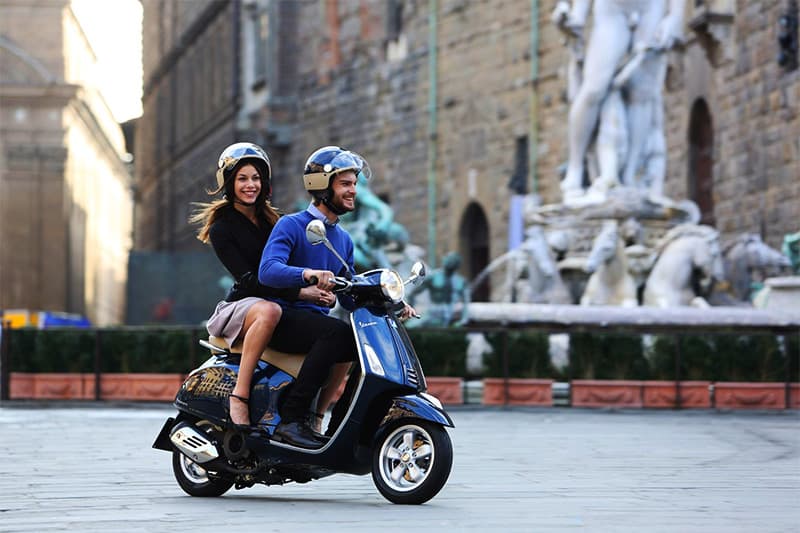
For an experience that’s both exhilarating and intimate, imagine riding a Vespa through Rome’s historic streets. The wind in your hair, the pulse of the city beneath your feet, and the breathtaking sights unfolding around every corner—our Scooter Tour offers an unparalleled way to explore this magnificent city. Expert Roman drivers will lead the way, bringing you closer to the spirit and heart of Rome in a truly unforgettable manner.
Crafting Your Unique Roman Adventure
At Roma Bella, customization is key. Every tour is a love letter to Rome, thoughtfully curated to resonate with your passions and interests. Whether you’re an art aficionado seeking the masterpieces of the Renaissance, a history buff fascinated by ancient civilizations, or a foodie ready to dive into Italy’s culinary heritage, I’m here to craft a journey that’s uniquely yours. Together, we will create memories that linger in your heart long after you’ve left the Eternal City.
Join Me in Falling in Love with Rome
Rome is more than a destination; it’s an experience, a feeling, a love affair with beauty and history that transcends time. As your dedicated guide, my mission is to help you fall in love with this city, to share its secrets and wonders in a way that’s intimate, profound, and personal.
So, dear friends, are you ready to step into history, savor every moment, and uncover the hidden treasures of Rome? Join me at Roma Bella, and let’s embark on this enchanting journey together.
With love and passion for Rome,
Ximena
❤️🇮🇹