by Ximena Amarales | Jul 16, 2024 | Rome, Tours |
Ciao, amici! Welcome to the land where history breathes life, every stone tells a story, and passion for beauty is etched in every corner. Ah, Roma – the Eternal City beckons with her cobblestone paths, each one whispering tales of yore that make even the most seasoned of travelers’ hearts flutter with anticipation.
Steeped in millennia of history, Rome’s ancient ruins stand as a testament to a time when she was mistress of the known world. Here, in this city of living history, art is not confined to the hallowed halls of museums, but is a grand, open-air fresco where the pulse of Roman culture beats solid and vibrant. Oh, and the cuisine? Mamma Mia is as divine as the stories of gods and men that echo through her amphitheaters.
Where Time Stands Still, and Stories Unfold
Your journey to Rome should be nothing short of extraordinary, stepping beyond the edges of the worn tourist paths and diving deep into the authentic essence of the city. Picture yourself walking in the shadows of the mighty Colosseum, where the chants of ancient gladiators linger in the air. Envision yourself strolling through the cobbled alleys, where hidden piazzas offer aromatic espresso and sweet gelato – little slices of Roman dolce vita that are jealously safeguarded by those who call this city home.
Our Promise: Rome, Tailored to Your Every Desire
At Roma Bella, we live, love, and breathe Rome. We don’t just show you this magnificent city; we help you feel, understand, and make it a part of you. Our personalized Rome tours are handcrafted to connect you with the true soul of the city. Our exclusive Rome experiences whisk you away from the trappings of conventional travel and immerse you in the unforgettable – a Rome known only to a discerning few.
Unearth the Hidden Gems with Roma Bella
Embark on a tailor-made Italy travel experience as unique as yours. Uncover the city’s best-kept secrets with Roma Bella, delve into the enigmatic beauty of Ancient Rome, and capture moments of pure enchantment. Our itineraries are far from cookie-cutter; they are stories waiting to be lived, rich with the spirit and history of this once mighty capital.
Our passion goes beyond the typical – it’s about connection, it’s about making your Roman dreams come true. Let us introduce you to a Rome that thrums with a vibrant life beyond the reach of time. With our profound knowledge and flair for the extraordinary, we ensure your Roman holiday is much more than a visit; it’s a passage through time.
Are You Ready To Feel the Pulse of Rome?
To journey through Rome with Roma Bella is to weave your history amidst awe-inspiring beauty and ancient splendor. Here, where echoes of the past embrace the joy of the present, your Roman saga awaits.
Are you ready to step into Rome’s beating heart? To craft your story within the embrace of her eternal walls? Reach out to us at Roma Bella, and together, let’s breathe life into your own personalized Roman tale. Embark on your tailor-made journey through time with us today – because Rome isn’t just a destination, it’s an experience, it’s an emotion, it’s the start of your love story with history.
Ciao for now, and remember – in Rome, every step is a story; with Roma Bella, that story is yours to tell.
Embark on your custom journey today! 🇮🇹✨
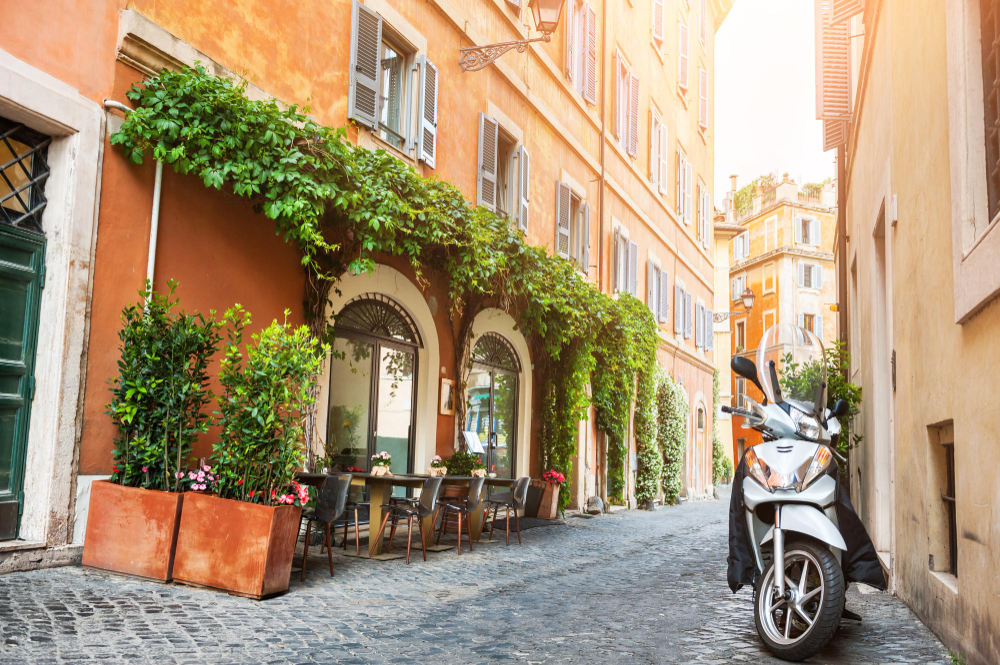
by Ximena Amarales | Feb 1, 2024 | Rome, Tours |
Introduction: Welcome to Roma-Bella.com, your ultimate guide to experiencing the eternal charm of Rome in 2024! As we step into a new year, Rome beckons travelers from around the world with its rich history, unparalleled art, delicious cuisine, and breathtaking architecture. This comprehensive guide will delve into why you should make Rome your top destination in 2024, highlighting the city’s timeless allure and offering valuable insights for an unforgettable visit. Get ready to immerse yourself in the magic of Rome!
1. Rome’s Timeless Appeal: Rome, often referred to as the Eternal City, has captivated hearts for centuries. In 2024, its allure remains as irresistible as ever. The city’s history spans over two millennia, offering visitors a unique opportunity to step back in time and witness the grandeur of ancient Rome. From the iconic Colosseum to the majestic Pantheon, the remnants of this ancient empire are scattered throughout the city, ensuring that history enthusiasts are in for a treat.
2. Art and Culture: Art and culture aficionados will find Rome to be an unparalleled treasure trove. The Vatican Museums, home to Michelangelo’s Sistine Chapel ceiling, and the Borghese Gallery with its stunning collection of sculptures and paintings are just a glimpse of the city’s artistic wonders. In 2024, immerse yourself in Rome’s thriving contemporary art scene, with galleries and exhibitions showcasing the works of local and international artists.
3. Culinary Delights: Rome is a gastronomic paradise, and 2024 promises to be a year of culinary delights. Savor the authentic taste of Italian cuisine with dishes like pasta carbonara, pizza Margherita, and creamy gelato. Explore local markets like Campo de’ Fiori to sample fresh produce, cheeses, and aromatic spices. Dining at traditional trattorias and sipping Italian wine in charming enotecas will be a highlight of your visit.
4. Iconic Landmarks: When you think of Rome, iconic landmarks come to mind. While the Colosseum and Roman Forum are must-visit historical sites, don’t miss the awe-inspiring Trevi Fountain, where you can make a wish by tossing a coin. Explore the grandeur of St. Peter’s Basilica in Vatican City and climb to the top of the Spanish Steps for a panoramic view of the city.
5. Hidden Gems: In addition to the well-known attractions, Rome is full of hidden gems waiting to be discovered. Explore the picturesque neighborhood of Trastevere, wander through charming alleys, and stumble upon hidden courtyards. Discover the secrets of the Appian Way, one of Rome’s ancient roads, or take a stroll through the serene Aventine Hill to find the famous Keyhole of Rome.
6. Events and Festivals: Rome hosts numerous events and festivals throughout the year. In 2024, you can witness the vibrant celebration of Rome’s birthday on April 21st, known as Natale di Roma. Experience the enchanting Festa della Repubblica on June 2nd and enjoy live music, parades, and fireworks. These events offer an authentic glimpse into Italian culture and traditions.
7. Accessibility and Accommodation: With well-connected airports, efficient public transportation, and a wide range of accommodations, Rome is easily accessible for travelers in 2024. Choose from luxury hotels, boutique guesthouses, or cozy apartments to suit your preferences and budget. Plan your trip with ease, knowing that Rome offers a comfortable and welcoming environment for all visitors.
8. Sustainability and Responsible Travel: Rome is committed to sustainability as responsible travel gains momentum. Explore the city on foot, rent bicycles, or use electric scooters to reduce your carbon footprint. Support local businesses, dine at restaurants using locally sourced ingredients, and respect the cultural heritage of this beautiful city. Let’s make 2024 a year of responsible and mindful travel in Rome.
Conclusion: Rome in 2024 is a timeless destination where history, art, culture, and cuisine come together to create an unforgettable experience. Whether you’re a first-time traveler or a returning visitor, the Eternal City has something new to offer. Come and explore Rome’s charms, and let Roma-Bella.com be your trusted guide to an enriching journey. Buon viaggio!
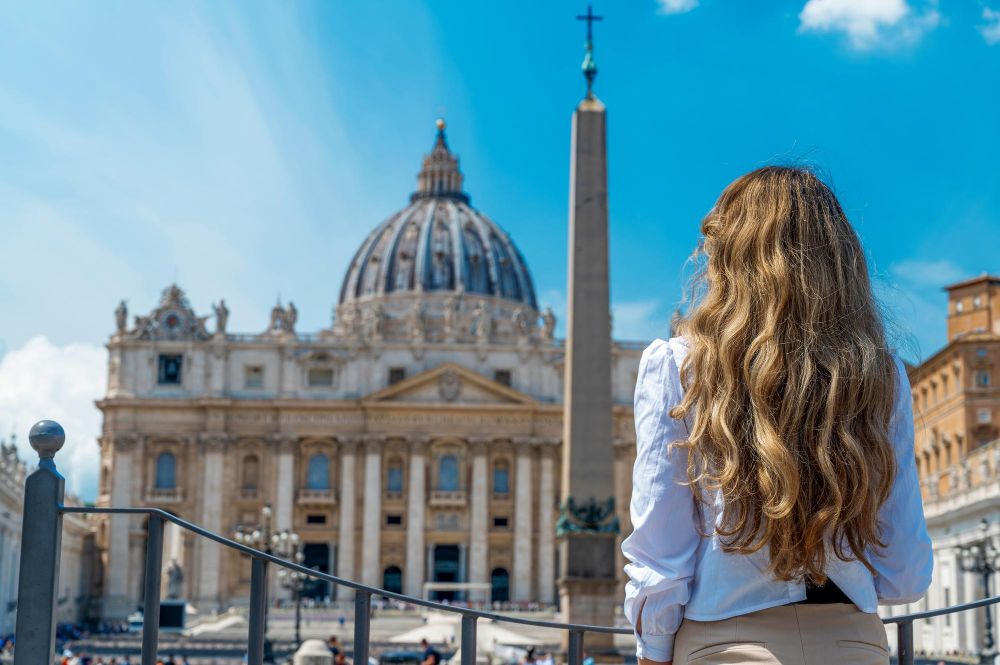
by Ximena Amarales | Oct 9, 2023 | Rome, Tours |
Hello, dear explorers and aficionados of beauty,
I’m Ximena Amarales, your personal conduit to the majestic world where history, art, and architecture intertwine – Rome, the “Eternal City”. As both a seasoned tour guide and a passionate architect, I have had the distinct pleasure of uncovering Rome’s hidden gems and iconic marvels, appreciating them from a dual lens.
Rome – A Living Canvas
Every cobblestone and corner here tells a tale, painting a vivid tapestry of an empire’s rise and evolution, a civilization’s artistic pinnacle, and the timeless dance of old with new. Rome is not just a city; it’s a living, breathing artwork, an open museum that graces its visitors with masterpieces at every turn.
A Journey of Architectural Elegance
Imagine walking through the winding streets where the grandeur of the Colosseum, the majesty of the Pantheon, and the elegance of Renaissance art isn’t just seen, but felt. Rome isn’t experienced superficially; it’s absorbed, seeping into your soul through every interaction, every gaze upon its awe-inspiring structures.
Unearthing the Hidden Gems
With me by your side, we’ll transcend typical tourist paths. Each tour is a unique exploration, tailor-made to immerse you in Rome’s architectural magnificence, uncovering its secrets, and bringing to life the silent, yet eloquent narratives engraved in its ancient stones and magnificent edifices.
The Architect’s Perspective
As an architect, I unveil the meticulous craftsmanship, the innovative design, and the profound thought sown into every structure. We don’t just witness Rome’s beauty; we decipher the stories encrypted in its architectural masterpieces, experiencing the city’s soul beyond the visual spectacle.
Your Invitation to a Roman Odyssey
With every walkway echoing the footsteps of legendary artists, esteemed emperors, and historic figures, Rome isn’t visited but revered. Every gaze upon its art isn’t a mere look but an intimate dialogue. I invite you to join me in this enriched exploration, to experience Rome where the nuances of architectural brilliance and historical significance are intricately unraveled.
Embark on a Journey Like No Other
Are you ready to transcend the ordinary and step into a world where Rome’s timeless beauty is not just seen but profoundly experienced? Allow me, Ximena Amarales, to be your personal guide, weaving you through a city where history breathes life, art speaks, and architecture enchants.
Connect with me to curate your personalized Roman odyssey, a journey meticulously tailored to immerse you in the unseen, untold, and unforgettable realms of the Eternal City.
Book Your Unique Roman Tour Now
Unleash an experience where each moment is a masterpiece, every step a sonnet, and every encounter a historical echo. Rome, in its eternal elegance, awaits you.
#Rome #ArchitecturalTour #EternalCity #XimenaAmaralesJourney
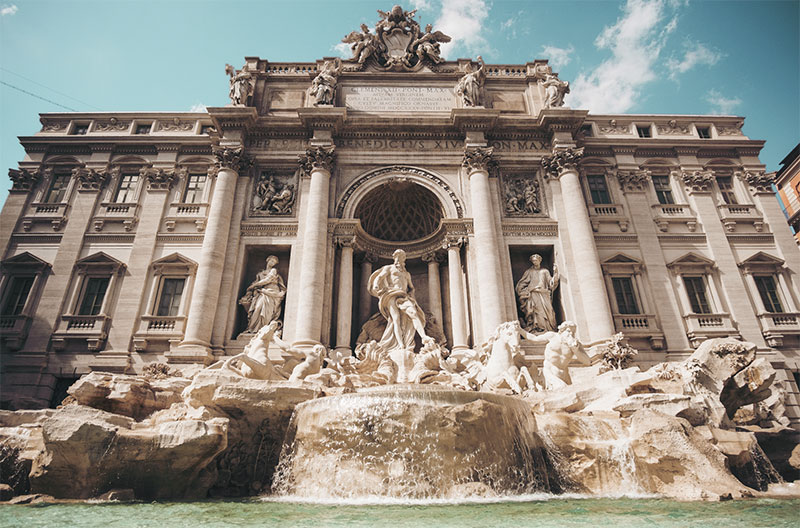
by Ximena Amarales | Oct 4, 2023 | Roma, Tours |
Rome: Where History, Art, and Architecture Converge
Rome, often referred to as the “Eternal City,” is a place where past and present fluidly coexist, where history, art, and architecture converge to craft an unparalleled experience. If you’ve ever considered traveling to Europe, Rome should undoubtedly top your list, and here’s why:
- A Living History Book: Rome is akin to a living history book, where every cobblestone street, ancient monument, and Renaissance masterpiece tells a story. From the imposing Colosseum to the grandeur of Vatican City, every corner of this city is steeped in history.
- Artistic Masterpieces: Rome is an art treasure trove. The Vatican Museums house a staggering collection of art and artifacts, including Michelangelo’s famed Sistine Chapel ceiling. Walking through the city’s streets is like wandering through an open-air art gallery, with fountains, sculptures, and awe-inspiring architecture at every turn.
- Architectural Wonders: Rome’s architecture attests to the ingenuity and artistry of past generations. The iconic Roman Forum, majestic Pantheon, and the grand Colosseum are just a few examples of Rome’s architectural wonders. But Rome isn’t only about ancient structures; it’s a city embracing contemporary design and innovation.
- Culinary Delights: Italian cuisine is celebrated worldwide, and Rome is the place to savor it at its finest. From delightful pasta dishes to creamy gelatos, food in Rome is a feast for the senses. Dining at charming trattorias and sampling authentic Roman dishes is an integral part of the experience.
- Vibrant Culture: Rome isn’t frozen in time; it’s a vibrant, bustling city with a rich cultural scene. Attend a performance at the Teatro dell’Opera di Roma, explore the modern Trastevere neighborhoods, or simply enjoy a night stroll along the Tiber River.
Now, imagine experiencing all this with an architect by your side. As an architect, I offer a unique insight into Rome’s architecture and urban planning. Here’s how I can enrich your visit:
- Deep Architectural Insights: I can provide you with in-depth insights into the historical and architectural significance of the places you visit, helping you appreciate their design and construction on an entirely new level.
- Hidden Architectural Gems: Beyond the well-known sites, I will take you to hidden architectural gems and share stories of the city’s development over the centuries.
- Customized Itinerary: We can tailor your itinerary to focus on architectural aspects if that piques your interest, ensuring you make the most of your visit.
- Privileged Access: With my local knowledge, we can access places and viewpoints not always available to the public, offering you a unique and exclusive experience.
Don’t miss the opportunity to explore Rome, a city where every step is a journey through time and beauty. Join me to discover architectural wonders, artistic treasures, and the rich history of this magnificent city.
Ready to embark on a Roman adventure like no other? Contact me to plan your personalized architectural tour of Rome. We’ll make your visit to the Eternal City an unforgettable experience, filled with culture, history, and architectural wonders.
CONTACT
#Rome #Architecture #ItalyTravel #CulturalExperience

by Ximena Amarales | Oct 4, 2023 | Rome, Tours En Roma, vespa, Vespa tour Rome |
Discover the Magic of Rome on a Vespa with Our Unique Tours!
Have you ever dreamed of exploring the streets of Rome on a classic Italian Vespa? Let’s make that dream come true! At www.roma-bella.com, we invite you to an exciting journey through the Eternal City on a Vespa, an experience that will allow you to see Rome from a whole new perspective.
Our Vespa Adventure in Rome: More Than a Tour, an Experience
Extended Duration for Total Immersion: We’ve listened to our travelers and designed a tour that will not only take you to Rome’s iconic spots but also allow you to explore hidden treasures and immerse yourself in the city’s daily life. Our extended tour gives you more time to savor each stop and capture memorable photos.
Expert Guides: Our passionate guides, experts in the history of Rome, will take you on a captivating journey. They’ll share intriguing stories and lead you to places not found in conventional guidebooks.
Authenticity and Fun: We take pride in offering an authentic and genuinely Italian experience. You’ll navigate the streets of Rome like a true Roman, experiencing local culture and Italian hospitality at its best.
Flexible Itinerary: Do you have specific places you wish to visit? Want to stop at a local café for an authentic Italian espresso? We customize your itinerary to make your journey unique and fun!
Technical Details: Our Vespas are carefully maintained, and we ensure your safety at all times. We provide helmets and offer a brief introduction on how to ride a Vespa if needed.
Book Your Vespa Tour Now at www.roma-bella.com
Make your trip to Rome truly unforgettable with our Vespa experience. Visit our website and book your personalized tour today. Discover the Eternal City in an exciting and authentic way!
Get ready to rev up for adventure and feel the Roman breeze in your hair as you immerse yourself in the beauty and history of this iconic city!
#Rome #VespaTour #UniqueExperience #AdventureInRome